Category: Game Development

Game Development related content

  • Build a Casino Style Game World in 30 Days

    Build a Casino Style Game World in 30 Days

    Introduction what you will build and why a casino style world matters

    If you are a game developer or a savvy online gamer looking to transport players into a casino style game world, you want a plan that delivers fast and polished results. Build a casino style game world in 30 days is a practical goal that can guide you from concept to a playable preview. You will learn the core design choices and practical steps to create a vivid casino atmosphere that keeps players engaged from their first spin to last bet. This guide focuses on actionable steps you can implement now and shows you how to measure progress along the way.

    What is a casino style game world and why does it matter in the first place It is a crafted virtual space that mimics the look feel and rhythm of real world casinos with games like slots poker blackjack and roulette and with systems that encourage extended play. The world should feel cohesive with consistent visuals audio and progression rewards. Our goal is to design a world that is fun approachable and fair while offering players clear ways to win and explore.
    Build a Casino Style Game World in 30 Days
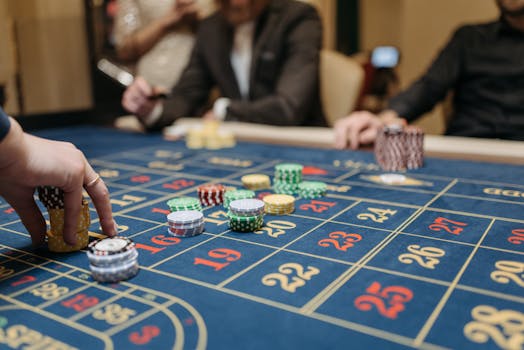
    Photo by Pavel Danilyuk on Pexels

    What are the essential elements of a casino style game world

    To build a casino style game world in 30 days you must define a set of core elements that guide all decisions. The essential elements include a themed hub area a selection of games a currency and reward system a progression ladder and social features. Each element should reinforce the casino atmosphere while remaining accessible to new players. Start with a strong hub that serves as the heart of the world and a clean navigation system that makes it easy to jump into a game.

    How to plan the project in thirty days

    Follow these steps to stay on track and deliver a solid playable world within a month. Use a calendar to map milestones and reserve time for testing and polish. Day one to day seven focus on concept art and core mechanics. Day eight to day fourteen implement the first set of games and the hub. Day fifteen to day twenty implement progression and currency systems. Day twenty one to day twenty eight add social features and polish audio visuals. Day twenty nine to day thirty test optimize and prepare a release build. Remember to keep scope realistic and start with a postcard version of the world that players can explore quickly.

    How to design the hub and navigation for quick access

    The hub should feel like a lively casino floor with distinct zones for slots table games and social areas. Use clear signage and big inviting entrances. Implement a fast travel system or a simple teleport to reduce friction. Provide a quick start button so players join a recommended set of games with one click. The hub should also present daily challenges and a progress indicator so players know what is next without hunting for it.

    Which games to include in the first release

    Choose a small but representative set of games that demonstrate the casino vibe. A traditional slots game with a catchy soundtrack a simple blackjack variant a roulette style wheel and a poker style table are enough to convey the feel. Each game should have a clean ruleset a clear betting system and a friendly tutorial. Use a uniform on screen layout for all games to reinforce a cohesive world feel.

    Build a Casino Style Game World in 30 Days
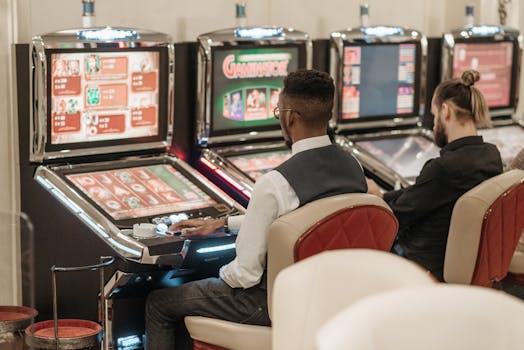
    Photo by Pepe Caspers on Pexels

    How to implement a consistent currency and rewards system

    Currency should be intuitive and easy to track. Start with chips or coins that players earn through play and complete daily tasks. Create tiered rewards such as free spins bonus chips or exclusive cosmetics to reinforce ongoing engagement. Provide a fair odds model and transparency about house edge to build trust and long term interest. Make sure rewards scale with player progression so the experience stays motivating over time.

    What about visuals and audio that sell the casino vibe

    Visuals should be polished yet accessible. Use warm lighting bold reds and gold accents and neon signs that feel authentic without overwhelming players. Audio should include clinks spins and ambient crowd chatter to create immersion without fatigue. Keep menus legible and ensure readability even on smaller screens. The goal is a vibrant world that feels lively yet navigable.

    How to test and refine in the thirty day window

    Adopt a rapid feedback loop. Use playtest sessions with clear tasks and record metrics such as time to first game and average session length. Track error rates load times and user drop offs. Use A B tests for UI layouts and currency rewards. Refine based on data and player sentiment. A strong test plan helps avoid last minute crunch and ensures a smoother launch.

    How to ensure accessibility and inclusivity

    Design for a broad audience by providing adjustable text size color contrast and simple navigation. Include clear tutorial prompts for new players and provide options to customize audio visuals. Use inclusive language and avoid jargon. Accessibility improves player retention and broadens your audience base.

    Conclusion what you will achieve and call to action

    Build a casino style game world in 30 days is a realistic path to a polished playable experience that captures the energy of real casino life while staying friendly to online gamblers. By defining essential elements planning a clear schedule and focusing on cohesive visuals and fair rewards you can deliver a world players want to return to. Start with a strong hub a manageable set of games and a transparent currency system. Then test refine and iterate until you have a compelling casino style game world that converts casual players into loyal fans. If you are ready to dive in start by outlining your hub layout and selecting your first three games and you will be well on your way.


  • How to design casino style minigames for players on the run

    How to design casino style minigames for players on the run

    Introduction and the Core Question

    Designing casino style minigames for players on the run is a challenge that blends fast paced action with engaging mechanics. You want games that feel thrilling yet fair and that players can pick up quickly even when time is tight. In this guide we explore practical steps to craft casino style minigames that keep players on the move and coming back for more. You will learn how to balance risk and reward, create clear incentives, and implement design patterns that resonate with online casino gamblers who crave quick wins and steady progression.

    What makes casino style minigames stand out for on the run players

    Casino style minigames are defined by simple core loops, high interaction moments, and a strong sense of progression. They are also characterized by transparent odds, immediate feedback, and tactile controls. For players who are constantly moving through levels or sessions, these elements must be accessible in a short glance yet deep enough to reward skill over time. In practice this means crafting intuitive interfaces, brisk rounds, and a clear path to bigger rewards without overwhelming the user with information.

    How to design casino style minigames for players on the run
    Photo by Anh Lee on Pexels

    How to plan the core loop for fast paced minigames

    1. Define a core action that players can perform in under five seconds, such as tapping a tile, swiping a card, or timing a button press.
    2. Set a clear win condition that can be achieved with a few successful attempts, such as reaching a target score or collecting a set of symbols before time runs out.
    3. Establish risk and reward with adjustable difficulty so players feel a push to improve while still achieving progress on shorter sessions.
    4. Provide immediate feedback through visual and audio cues that reinforce successful actions and warn about mistakes.
    5. Iterate rapid rounds to keep momentum high and ensure players sense momentum even during short play sessions.

    By focusing on a tight core loop you give players a reliable rhythm they can embrace during a quick break or while on the move. This rhythm is the backbone of casino style minigames designed for players on the run.

    Design tips for clarity and speed

    Players on the run need information presented quickly. Use clean visuals, large tap targets, and readable typography. Keep text to a minimum and rely on icons and color cues to convey status. Offer a quick tutorial that runs in your first session and then remains accessible from a help menu. Ensure that controls are responsive on mobile devices with low latency input to preserve immersion and momentum.

    Balancing odds and fairness for online gamblers

    Fairness is crucial in casino style minigames. Players must trust that outcomes are governed by transparent odds. Use a visible return to player percentage and provide a verifiable RNG process. Show sample outcomes in a sidebar or a post game summary so players understand the risk and reward. When possible, offer multiple difficulty levels so casual players can enjoy short rounds while experienced gamblers chase higher returns.

    Creating table of play and progression paths

    Progression is the fuel for ongoing engagement. Build a tiered system with accessible entry levels and rare, high value rewards for top tiers. Implement daily challenges, streak bonuses, and unlockable variants of the minigame. For players on the run this gives a sense of achievement across sessions and keeps the experience fresh without requiring long play sessions.

    How to design casino style minigames for players on the run
    Photo by Ylanite Koppens on Pexels

    Examples of casino style minigames you can implement

    Here are concrete concepts you can adapt for on the move players:

    • a reaction based game where players tap at the right moment to hit a target and earn coins. The faster the tap the higher the reward but miss ends the run.
    • flip cards to reveal matching pairs within a time limit. Each match increases a multiplier and unlocks bonus rounds.
    • a simplified slot style mechanic with 3 reels. Stop the reels with a tap to lock results and build a streak for bigger payouts.
    • memorize a short sequence and reproduce it with quick taps. Short sequences for speed and longer sequences for depth.

    These examples emphasize speed, clarity, and fairness while offering scalable rewards. They also translate well across devices, which is essential for online casino gamblers who may switch between phones and tablets during play.

    How to test and iterate with real players

    Testing is essential to validate that on the run players respond to the design. Start with a small pool of testers who match your audience. Gather feedback on clarity of objectives, perceived fairness, and pacing. Track metrics such as session length, rounds completed per minute, win frequency, and drop off points. Use A B testing to compare different pacing, reward structures, and control schemes. Iterate quickly based on data so you refine the experience for a broader audience of online casino gamblers.

    Accessibility and inclusivity considerations

    Make your minigames inclusive for players with varying levels of ability. Use high contrast visuals, scalable text, and alternative control schemes such as drag or hold gestures. Provide a generous help system and an easy way to restart rounds. For online casino gamblers this ensures that the experience remains enjoyable regardless of device or environment and aligns with best practices for accessible game design.

    Conclusion and next steps

    Designing casino style minigames for players on the run requires a focus on a tight core loop, fast feedback, and clear progression. By planning concise core actions, balancing odds, and offering scalable rewards you create experiences that are both exciting and fair for online casino gamblers. Start with a simple quick draw or spin rush concept, test with real players, and iterate toward a more polished version. If you want to turn these ideas into a complete live prototype for players on the move, you can begin by outlining your core loop and building a small playable demo to gather early feedback. Ready to start your next minigame project for players on the run

  • How to design casino game engines for fast loops

    How to design casino game engines for fast loops

    Introduction what you need to know about fast loops in casino game engines

    You want casino game engines that run fast and smooth for players who expect instant feedback. In this guide we explore how to design casino game engines that support fast loops, reliable randomness, and scalable performance. The goal is to empower you as a game developer to build systems that respond instantly while maintaining fairness and stability for online casino gamblers. You will learn practical steps you can apply today to improve loop speed and overall game feel.

    What are the key elements of fast loops in casino game engines

    Fast loops are loops that execute with minimal latency, predictable timing and low CPU overhead. In a casino game engine these loops handle spin simulations, bet processing, result generation, and animation scheduling. The core idea is to minimize the time between a player action and the corresponding update in the game state. Fast loops also rely on deterministic timing to ensure fairness and reproducibility for audits or replays.

    How to design casino game engines for fast loops
    Photo by Anna Shvets on Pexels

    How to structure your loop for speed and reliability

    Step record shows how to design a fast loop using clear phases. First initialize states and resources before entering the main loop. Then process inputs quickly, update game state, and render or animate only what is necessary. Finally, perform cleanup and prepare for the next iteration. This separation helps you keep timing tight and reduces wasted cycles.

    1. Define a tight loop boundary with a fixed update step. A consistent delta time helps keep physics and probability calculations predictable.
    2. Partition logic into input, processing, and output phases. Avoid cross phase dependencies that can stall the loop.
    3. Minimize memory allocations inside the loop. Preallocate objects and reuse buffers to reduce GC pauses.
    4. Use a lightweight random number generator with a fast entropy source. This speeds up outcome generation without sacrificing fairness.
    5. Profile regularly to identify bottlenecks. Focus on hot paths such as spin calculation and animation updates.

    How to implement fast loops with fair and auditable randomness

    Randomness is a crucial part of casino games and must be both fast and auditable. Use a stream based RNG that can be seeded for reproducibility while delivering high throughput. Keep the RNG isolated from game logic so it can be tested independently. Logging seed values and outcomes for audits helps ensure compliance while not exposing raw data to players.

    Practical example of a fast loop for a slot style game

    Consider a slot engine that needs to spin reels, evaluate paylines and render results. Use a fixed step loop that updates spins at a steady cadence. Precompute symbol positions for a reel and use a lookup table to determine outcomes. This avoids heavy computations during the spin moment and keeps the visible frame rate high.

    How to optimize memory and rendering for casino loops

    Memory hygiene matters when you handle many concurrent players. Allocate memory at startup, reuse buffers during spins, and avoid creating new objects inside the hot path. For rendering, batch draw calls and limit state changes to reduce GPU stalls. When possible, separate render time from game logic time to ensure one does not block the other.

    How to design casino game engines for fast loops
    Photo by Rodrigo Santos on Pexels

    What about system design and scalability for large player bases

    Fast loops scale best when you decouple game logic from server infrastructure. Use independent services for RNG, game state, and rendering tasks. A message oriented architecture helps handle bursts in demand and keeps loop latency within target. Cloud based autoscaling and load shedding ensure players experience quick loops even during peak times.

    Which optimization strategies give practical gains without sacrificing fairness

    Compression and streaming reduce data transfer latency between client and server. Choose deterministic timing, bound the loop duration, and verify outcomes through tamper resistant logging. Keep cryptographic checks to protect integrity while not overburdening the loop with heavy crypto operations. Always verify that performance improvements do not alter expected probabilities.

    How to validate and test fast loops with confidence

    Validation starts with unit tests for the loop and RNG. Use simulated player actions to stress test the loop under heavy load. Run performance benchmarks to compare before and after changes. Audit trails and reproducible seeds help you demonstrate compliance and reliability to stakeholders and regulators.

    Conclusion the takeaways for building fast casino game engines

    Designing casino game engines for fast loops means focusing on a tight loop structure, reliable and auditable randomness, memory efficiency, and scalable architecture. You should pre plan resources, isolate critical paths, and profile often. By applying these steps you can deliver smooth gameplay that satisfies online casino gamblers while maintaining fairness and compliance. Start with a small pilot loop using a fixed update step, then expand to a full suite of games as your performance metrics improve. Ready to level up your engine and deliver faster loops You can start today by outlining a minimal fast loop with preallocated buffers and a deterministic RNG seed that you can reproduce in audits.

  • How to design casino game prototypes that thrill players

    How to design casino game prototypes that thrill players

    Introduction

    You want to build casino game prototypes that thrill players from the first play. In this guide you will learn practical steps to craft prototypes that engage real gamblers and show the potential of your game ideas. We focus on when to prototype, what to test and how to iterate for maximum excitement.

    What makes a casino game prototype exciting and playable

    Casino game prototypes are definitions of how a game feels rather than a final product. They are is a snapshot that shows core mechanics, pacing and reward patterns. The thrill comes from clear feedback, balanced risk and consistent rewards that keep players coming back for more.

    How to design casino game prototypes that thrill players
    Photo by Malen Almonacid Trossi on Pexels

    How to plan your prototype for maximum impact

    1. Define the core loop identify the main actions players take and the payoff structure that follows.
    2. Choose a simple scope limit features to test the key mechanic and avoid feature creep.
    3. Set measurable goals decide what success looks like in your test session such as average session length or hit rate.
    4. Build a minimal viable experience include visuals sound and feedback that convey the intended feel without full polish.
    5. Gather rapid feedback observe player choices and note any friction in controls or rules.

    What to test in a prototype and how to measure it

    Testing should cover clarity of rules pace of play and perceived fairness. Track metrics like time to first win player satisfaction and engagement duration. Use a simple scoring rubric to rate clarity of instructions controls and reward satisfaction.

    How to design the user experience that keeps players engaged

    Engagement comes from a rhythm of anticipation action and reward. Use visual cues dynamic audio and immediate feedback to reinforce decisions. A strong prototype communicates progress through indicators such as streaks bonuses and level ups that players can chase.

    How to design casino game prototypes that thrill players
    Photo by Ron Lach on Pexels

    Vs three common prototype approaches

    Prototype TypeWhat to TestProsCons
    Paper and digital mockupsRules flow and UI layoutFast and inexpensiveLimited feel of real play
    Lo fidelity playableCore mechanics and pacingMore realisticLess polished visuals
    High fidelity prototypeFull experience and balanceGreat for investor pitchTime and cost intensive

    How to iterate quickly to boost thrill and clarity

    1. Run short playtests keep sessions under 20 minutes to capture clear signals.
    2. Change one variable at a time ensure you know what drives any shift in behavior.
    3. External observers ask players to vocalize thoughts while playing.
    4. Document decisions track reasons for changes to avoid backsliding.

    FAQ

    What is the purpose of a casino game prototype A prototype shows how the core mechanic feels and how players respond before full production.

    How long should a prototype run Short sessions of 5 to 15 minutes work well for fast feedback cycles.

    Which metrics matter most Clarity of rules engagement duration and perceived fairness are key.

    Conclusion

    Designing casino game prototypes that thrill players starts with a sharp plan and a clear core loop. Build a minimal viable experience and test with real gamblers to learn which mechanics spark excitement. Iterate quickly using focused tests and one change at a time, then refine pacing and rewards until the prototype consistently earns player smiles. If you want practical support turning ideas into compelling prototypes, start your next iteration today and share your results so we can help you sharpen the thrill.

  • How to design casino game goals that keep players coming back

    How to design casino game goals that keep players coming back

    Introduction a practical guide to creating casino game goals that keep players coming back

    You want casino game goals that hook players from the first round and keep them returning for more wins and milestones. In this guide we cover how to design goals that are clear reachable and rewarding. You will learn how to set goals that feel fair spark excitement and build a sense of progression you can apply to slots table games and hybrids. The main idea is to align game goals with player psychology so you create lasting engagement without over promising outcomes.

    What makes goals in casino games effective and why are they important

    Goals in casino games are the milestones players chase. They are is a framework for progress that adds meaning to play and reduces wandering endless grinding. Effective goals are clear achievable and tied to meaningful rewards. They provide direction for playback sessions and create a rhythm players expect and enjoy. When goals are well designed players feel in control and ready to try again after a loss.

    How to design casino game goals that keep players coming back
    Photo by Anastasiya Badun on Pexels

    How to set clear and compelling goals for casino games

    1. Define the primary objective determine the main win condition such as hit a payout threshold reach a level or complete a quest this anchors the players intent from the start.
    2. Make goals measurable use numbers like collect a set number of coins reach a specific score or finish a level within a time limit. Measurable goals allow players to track progress.
    3. Link goals to rewards attach meaningful rewards such as bonuses free spins or prestige badges to each milestone. Tangible rewards boost motivation to continue playing.
    4. Balance difficulty and pacing design goals that are challenging yet achievable within a few sessions. Gradual progression keeps players engaged without frustration.
    5. Incorporate micro goals small tasks within a session can extend play and offer frequent wins. Micro goals create a sense of momentum between larger milestones.
    6. Provide clear indicators show progress bars level badges or milestone popups so players know how far they have come and what remains to achieve.

    How to create a progression system that feels fair and rewarding

    A strong progression system gives players a sense of growth without guaranteeing big wins every time. Use tiered levels with escalating rewards that reset or scale after certain events. For fairness present a visible odds model and explain how progress relates to outcomes. Players should feel the system respects their time and effort and that setbacks are part of the journey rather than a trap.

    Examples of progression designs that work

    Example one is a slot style goal ladder where players unlock new reels or features after hitting defined win totals. Example two uses a quest based system where completing tasks earns a currency that can be spent on exclusive power ups. Example three blends table and hybrid elements where players advance by hitting provable targets such as hitting a certain number of hand outcomes.

    How to design casino game goals that keep players coming back
    Photo by Tima Miroshnichenko on Pexels

    How to design goals that keep players engaged across sessions

    Consistency matters. Use daily challenges weekly tournaments and seasonal events to give players reasons to return. Align goals with real player behavior by studying session length and win rates. Players tend to return when they see fresh content and new rewards regularly. Keep goals visible and reset them with updates to maintain freshness.

    What to test during an experimentation phase

    Run A B tests to compare different goal structures and reward timing. Track retention conversions and average session length. Gather qualitative feedback on how players perceive the goals and adjust difficulty and rewards accordingly. The best designs evolve from data backed decisions not assumptions.

    FAQ and quick takeaways

    Why should goals be aligned with player skill alignment helps players feel capable and reduces frustration while increasing the chance they return. What kinds of rewards work best tangible rewards like bonus credits or spins plus unique cosmetics or access to new features tend to perform well. How often should goals reset plan for regular resets such as weekly and monthly to maintain momentum while avoiding player fatigue. Should goals be the same across games not every game needs identical goals; tailor them to the game mechanics while preserving a core progression theme.

    Conclusion a quick recap and call to action

    Designing casino game goals that keep players coming back is about clarity fairness and timely rewards. Start with a strong objective make goals measurable connect rewards to progress and ensure pacing keeps players engaged session after session. Test learn and refine the system so it scales with your audience and game mix. If you are ready to elevate your game design try implementing a simple goal ladder with three tiers and a weekly challenge to see how players respond. Ready to start building engaging goals for your casino titles

  • How to design casino style games for online players

    How to design casino style games for online players

    Introduction and the big question of casino style game design

    You want to design casino style games for online players and keep them coming back. The challenge is to blend real world casino excitement with online accessibility. In this guide you will learn practical steps to craft engaging casino style games that delight online players and stay compliant with best practice design patterns.

    What makes casino style games appealing to online players

    Casino style games are driven by clear rules fast pacing and the lure of big wins. They are structured around risk and reward and we see this in online titles that balance rewards with steady play. You should build a framework that emphasizes spin high stakes rounds and rewarding outcomes while keeping accessibility for new players.

    How to plan a casino style game for online players

    1. Define core mechanics such as spin wager reel outcomes or per play bonuses. This gives you a solid framework to build around.
    2. Set player progression goals like achievement badges or unlockable features to sustain interest over time.
    3. Choose a theme that matches the target audience while ensuring the visuals do not overwhelm game play.
    4. Design a clear pay table with readable odds and transparent variance so players trust the math behind the action.
    5. Incorporate a balanced tutorial that teaches rules quickly yet rewards exploration.

    What are the essential elements of the user experience

    In casino style games the user experience must be smooth and intuitive. Fast loading times areas to tap or click and a responsive controls system are crucial. Visual cues such as spinning reels lighting up winning lines and aura effects for bonuses add to the excitement while not obstructing gameplay.

    How to design the user interface for online casino games

    Start with a simple layout that keeps critical information in reaching distance. Use large clear buttons readable fonts and a consistent color palette. Place the spin or deal control in a prominent spot and keep the balance between flashy visuals and legible text to support players of all levels.

    How to incorporate incentives without overwhelming players

    Incentives should feel earned not forced. Offer welcome bonuses free spins and loyalty rewards but ensure terms are clear and fair. Include progressive rewards that scale with play without pressuring players into long sessions.

    How to implement fair play and responsible gambling practices

    Fair play means transparent payout ratios provable randomness and clear odds. Build a responsible gambling layer with self control tools time limits and easy access to help resources. These measures increase trust and long term retention among online players.

    How to optimize for SEO while designing casino style games

    SEO mindful content helps attract online players who search for casino style experiences. Use descriptive names for game modes provide alt text for images and craft helpful FAQs around common questions. Semantically relate terms such as casino game design online gaming and reel games to broaden reach.

    Practices for testing and iteration with online players

    Playtesting should involve real players and structured feedback. Track metrics like session length return rate and win to loss ratios. Use A/B testing to compare different interfaces and incentives and iterate quickly based on data.

    Conclusion and key takeaways for designing casino style games for online players

    Designing casino style games for online players requires a clear mechanic a strong user experience and transparent fair play. You should plan with a solid pay table a readable interface and engaging incentives while keeping responsible gambling at the core. By following these steps you can create online casino games that entertain and convert players. Try applying the plan today and watch engagement grow.

    FAQ

    Q how long should a casino style game session last
    A sessions should feel quick yet immersive with a natural flow that invites a few rounds at a time.

    Q what makes a pay table easy to understand for new players
    A clear payout values bright icons and concise explanations help new players grasp potential rewards quickly.

    Q how can I test for responsible gambling in a new title
    A include time limits self exclusions and accessible support links during both onboarding and gameplay.

  • How to design casino vibe games with modular systems

    Introduction and quick answer to what you will learn

    You want casino vibe games that feel immersive and scalable. How to design casino vibe games with modular systems is about building flexible building blocks, reusable rules, and a clean interface that keeps players engaged while you can mix and match features for new experiences.

    In this guide you will learn how to design casino vibe games with modular systems, define core modules, and implement a practical workflow. You will also see real world examples and actionable steps you can apply today.

    What are casino vibe games and how do modular systems help

    Casino vibe games are digital experiences that capture the energy and pacing of a casino floor. They include slot like experiences, table game simulations, and social casino features that reward quick decisions and steady play. Modular systems are design blocks that can be combined to create many variants without rewriting core code. This approach keeps development agile and enables rapid experimentation.

    What is the modular design approach for casino vibe games

    The modular design approach uses a core loop and separate modules for visuals, rules, rewards, and audio. By isolating behavior in modules you can swap themes, tweak payout curves, and alter game pacing without touching the entire system. This keeps code clean and allows designers to iterate faster.

    How to plan your modular casino vibe game project

    1. Define a clear core loop such as spin and resolve for a slot style mechanic or hand play and resolve for a table style mechanic.
    2. List modular components such as layout module art module payout module logic module and audio module.
    3. Design stable interfaces between modules so swapping a theme does not break gameplay.
    4. Establish a theme catalog and a rewards schema to keep players engaged across variants.
    5. Prototype with a minimal viable variant and then expand with new modules.

    What are the core modules you should build first

    Begin with the essential modules that every casino vibe game will reuse. These include a currency and rewards system a core game loop a user interface shell a timing and pacing module a randomization and fairness module and a theme and art module. Each module should have a small API to ensure clean integration.

    How to design modular systems for pacing and engagement

    Pacing is critical in casino vibe games. Use a pacing module to control spin speed win frequency and effect timing. Tie rewards to milestones and create gentle compounding rewards that encourage longer play. Build a progression module that unlocks visuals audio and mini games as players level up. A well paced game feels fair and exciting without overwhelming the player.

    How to wire in art and audio for flexibility

    Keep art and audio in separate modules so you can swap themes without touching gameplay. A single art module can drive multiple themes with config files. Audio modules should allow dynamic re tuning so you can create different moods for rows themes and jackpots. This flexibility helps you ship new experiences quickly.

    What about testing and QA for modular designs

    Testing should focus on module contracts and integration points. Use mock modules to simulate behavior and verify that interfaces remain stable when you swap themes. Create automated tests for core loops reward triggers and edge cases. This reduces regressions as you add more modules.

    How to implement a practical workflow for modular design

    1. Start with a minimal viable variant to prove the core loop works.
    2. Write clear module specs and contract tests to guard interfaces.
    3. Build a theme pack that reuses existing modules with different data.
    4. Iterate with feedback from real players and adjust rewards and pacing accordingly.
    5. Document the modular system so new team members can contribute quickly.

    Comparison: modular system versus monolithic design

    Aspect Modular system Monolithic design
    Flexibility High flexibility for theme and feature swaps Low flexibility requires code changes
    Maintenance Better maintainability with clear interfaces Harder to maintain as complexity grows

    Practical tips you can use today

    Start with a simple slot style core loop and a modular reward system. Create one theme pack and two variations to validate the approach. Document contracts and keep assets lightweight so you can iterate quickly. Use data driven configurations for payout curves and event timing to reduce code changes.

    FAQ about designing casino vibe games with modular systems

    Q how does modular design help in online casino games A modular design helps you scale faster and swap features without rewriting code ensuring a smoother release cycle

    Q can I reuse modules across different game types A yes you can reuse the core loop reward and interface modules across slot table and social style games

    Q what is the best testing approach for modular systems A use contract tests unit tests and end to end tests that cover integration points between modules

    Conclusion and next steps

    Designing casino vibe games with modular systems enables you to craft engaging experiences that scale. Start by defining a core loop and building reusable modules for rules art audio and rewards. Plan a theme catalog and a clear progression path to keep players coming back. Ready to level up your game studio with modular design Find a project to prototype this week and begin creating a modular system that grows with your library.

  • How to build casino style games with modular systems

    Introduction

    You load into a project and want casino style games that feel premium yet flexible. How do you build casino style games with modular systems that are scalable and easy to update You can design modular components that plug together like a smart set of building blocks and you can iterate quickly without rewriting core logic. In this guide I share practical steps to craft casino style games with modular systems while keeping the code clean and the gameplay engaging.

    What are modular systems and why are they ideal for casino style games

    Modular systems are groups of self contained parts that can be combined to form complex features. In casino style games these parts include reels symbols payout rules and bonus triggers. The big advantage is flexibility you can swap or upgrade modules without touching other parts of the game. This approach reduces risk speeds up iteration and helps you tailor experiences for different themes and markets.

    How to structure a modular casino style game

    Start with a core game loop and separate it from modules like reels payouts animations and social features. A solid architecture often uses a data driven model where game rules live in configuration files. This keeps the engine lean while letting designers adjust risk and reward with ease.

    1. Define the core loop Decide how spins progress and when to end a round.
    2. Create a reel module Build each reel as a container of symbols with simple spin logic.
    3. Set up a payout module Map symbol combinations to payouts and adjust volatility.
    4. Add a bonus module Create free spins wilds and bonus rounds as plug in units.
    5. Integrate a rules module Centralize win conditions and progressive jackpots.

    Each module should expose a minimal public interface so it can be swapped or updated independently. Keep data separate from logic to simplify testing and tweaks.

    How to design for extensibility and maintainability

    Extensibility means you can add new themes or features without rebuilding the engine. Maintainability means other developers can understand and modify the code quickly. Use clear module boundaries versioned data sets and robust validation. Document interfaces and provide example configurations so new features slot in without friction.

    How to implement a casino like feel using modular assets

    A premium feel comes from visuals audio and responsive UI. Use modular assets for symbols reels and sounds so designers can mix and match. Keep asset loading asynchronous to avoid stutters. Provide a consistent animation language and state transitions to sell the illusion of real casino play.

    What is the workflow for building and testing modular casino style games

    A repeatable workflow saves time and reduces bugs. Start with a prototype that validates core mechanics then expand with modular features. Use feature flags to turn modules on and off during testing. Automated tests for each module ensure changes do not ripple unexpectedly.

    1. Prototype core functionality
    2. Develop modular components
    3. Run automated tests for each module
    4. Iterate with play testers
    5. Freeze for release and monitor performance

    How to balance risk and reward in a modular design

    Balancing is about tuning payout tables reel configurations and bonus frequency. Start with a baseline that matches target volatility then adjust modules to meet player expectations. Use data driven experiments to compare module combinations and keep sessions engaging without over promising wins.

    FAQ about building casino style games with modular systems

    What makes a modular system good for casino style games A good modular system has clear boundaries fast compile times and reliable interfaces. It supports adding new reels themes or bonus modes without large rewrites.

    How do I test modular casino games effectively Test each module in isolation and then test integrations. Use automated tests manual play tests and stress tests to ensure stability under load.

    Can modular designs support multiple themes Yes; by swapping asset packs and configuration data you can deploy multiple themes with the same engine.

    Conclusion how to build casino style games with modular systems

    Building casino style games with modular systems offers speed accuracy and adaptability. By defining a solid core loop separating modules for reels payouts bonuses and rules you gain a flexible platform. Design for extensibility and maintainability with clear interfaces and data driven configurations. Start with a strong prototype then expand with modular assets and feature flags. If you want more tips on modular game design and a proven blueprint for scalable casino style games, subscribe for updates and grab the checklist to kickstart your next project.

  • From Idea to Playable Byte Jump in Game Development

    Introduction to From Idea to Playable Byte Jump

    You ever wonder how a simple idea becomes a playable byte jump in a game you love to play online. In this guide we break down the journey from a spark of inspiration to a polished playable experience. You will see practical steps you can apply today to bring your game concept to life and keep players engaged from the first frame to the final level. From idea to playable byte jump this article covers it all with clear action steps and real world examples.

    What is the idea to playability path in game development

    In game development the idea is the seed and playability is the fruit. The seed is the initial concept a team or solo developer sketches out. The fruit is a game that feels responsive and rewarding to players. The path includes design planning coding testing and iteration. By understanding this process you can align your team and your players expectations right from the start.

    How do you turn a concept into a playable prototype

    Begin with a simple prototype that captures the core mechanic of your byte jump. Write a one page design that outlines the jump height duration and input controls. Build a minimal scene using placeholder art to focus on gameplay first. Test the prototype with a small group and collect feedback. Use a task board to track fixes and keep your sprint focused on one core mechanic at a time.

    What are the essential steps to create a playable platformer beat by beat

    Step one define the jump physics and control scheme including whether jumps are variable height or fixed. Step two implement collision detection so the player character interacts with platforms reliably. Step three add a few levels with escalating difficulty to test pacing. Step four implement feedback like sound effects and visual cues to reinforce successful jumps. Step five iterate based on user testing until the core mechanic feels satisfying.

    How to optimize the user experience for a byte jump game

    Use tight input response measure jump timing and ensure frame rate stability to create a satisfying feel. Add subtle particle effects and responsive audio that confirm each action without distracting. Design levels that teach the player through gentle progression rather than hard resets. Keep loading screens brief and show small achievements to encourage continued play.

    Competition and comparison how to stand out in a crowded market

    Compare your byte jump game with a few other platformers to spot gaps and opportunities. Look for unique art style a distinctive control feel or clever level design twists. Offer a clear progression path with unlocked cosmetic rewards and optional challenges. Use play test sessions to identify what makes your game memorable and easier to recommend to friends.

    Practical tips and examples you can reuse today

    Tip one start with a one level mockup focused on the jump mechanic. Tip two keep the art minimal during testing and improve visuals after gameplay is solid. Tip three record player sessions and watch for moments where reaction times lag. Tip four implement a simple progression log that tracks scores and best jumps. Tip five publish a small update to gather fresh feedback and keep players engaged.

    FAQ about from idea to playable byte jump in game development

    Q1 how long does it take to go from idea to playable prototype A the timeline varies but a focused prototype can be ready in one to two weeks with a tight scope.

    Q2 what is the key mechanic for a byte jump game A the jump mechanic is the heart of playability and should be precise responsive and easy to learn.

    Q3 how can I test jump timing effectively A use repeatable test scenarios and collect timing data from multiple players to adjust physics values.

    Q4 should I use placeholder art during testing A yes placeholder art keeps focus on gameplay and controls until the core feels right.

    Conclusion and call to action

    From idea to playable byte jump the path is clear and practical. Start with a strong concept and a lean prototype then iterate using feedback to sharpen your core mechanic. You now have a practical route to turn a concept into a playable platformer that players will enjoy. Ready to start your own byte jump project today and share progress with the community

  • Casual dev tricks for casino game virtuoso players

    Introduction three questions and a quick answer

    Casual dev tricks for casino game virtuoso players is a guide for gamers who want smarter play and better consistency. You want practical tricks that fit real games and safe strategies that honor house rules. This article offers clear steps you can use today to sharpen skills and enjoy smarter sessions.

    What are casual dev tricks for casino game virtuoso players

    Casual dev tricks for casino game virtuoso players are practical strategies and little techniques developers use to improve game experiences and players prove their skills. These tricks cover control of bets, understanding odds, and using game data without breaking rules. You gain steady improvements without chasing hype or risky bets.

    How to start using casual dev tricks for casino game virtuoso players

    Begin with easy wins by setting goals each session. You want to map your play to clear outcomes and avoid over gambling. Step one is to pick two games you know well. Step two is to track results with a simple log. Step three is to adjust bet sizes based on outcomes and risk tolerance.

    Step by step guide

    1. Choose two games and study common patterns and pay tables
    2. Set a bankroll and a session limit to maintain control
    3. Use a simple betting plan and stick to it during play
    4. Review results after every session to identify learning points
    5. Refine your plan based on data and personal comfort

    How to compare strategies for different casino games

    Below is a quick comparison to help you choose and adapt the right approach for each game. This is helpful for casino game virtuoso players who want clear data and actionable steps.

    Game type Key skill Best practice
    Slots Bankroll and volatility Use low volatility games for longer sessions and set loss limits
    Blackjack Basic strategy and card counting basics Focus on correct basic play and avoid risky deviations
    Roulette Bet sizing and risk control Use flat bets or simple progression and stop after wins

    What data should you track as a casino game virtuoso player

    Tracking data helps you see patterns and refine your approach. You should log every session noting game type, bet sizes, outcomes, and feel of the play. This creates a feedback loop you can trust when you adjust your strategy over time.

    How to build a sustainable routine for casino game virtuoso players

    A sustainable routine keeps you informed without burning out. Set a weekly practice schedule, include review days, and rotate games to stay engaged. Use a simple ritual before playing: clear a fixed workspace, set a goals list, and run a quick mental check on risk limits.

    Is there a risk free way to practice without real money

    Yes you can practice with free play modes that many casinos offer. Casual dev tricks for casino game virtuoso players still apply in free mode and you learn pacing, odds, and decision making without financial risk. Practice helps you transfer skills when you switch to real money play.

    Conclusion key takeaways and action steps

    Casual dev tricks for casino game virtuoso players emphasize practical steps, data driven decisions, and steady practice. You can start by choosing two games, logging outcomes, and applying a simple betting plan. Over time you will build skill, confidence, and better control. Start today by setting a small goal for your next session and track your results for continual improvement.

    FAQ

    What are casual dev tricks for casino game virtuoso players
    Casual dev tricks for casino game virtuoso players are practical tips and methods players use to improve play through discipline data and simple adjustments. They do not rely on luck alone and focus on sustainable improvement.

    How can I track progress without complicated tools
    Use a simple notebook or a spreadsheet to log game type bet size outcome and a one sentence note on how you felt about the decision. Review weekly to identify patterns.

    Are these tricks allowed in all casinos
    Yes these tricks rely on smart play discipline and data use and are allowed in legitimate venues. Always follow casino rules and local laws.