
Tag: casino game design

  • How to design casino game prototypes that thrill players

    How to design casino game prototypes that thrill players

    Introduction

    You want to build casino game prototypes that thrill players from the first play. In this guide you will learn practical steps to craft prototypes that engage real gamblers and show the potential of your game ideas. We focus on when to prototype, what to test and how to iterate for maximum excitement.

    What makes a casino game prototype exciting and playable

    Casino game prototypes are definitions of how a game feels rather than a final product. They are is a snapshot that shows core mechanics, pacing and reward patterns. The thrill comes from clear feedback, balanced risk and consistent rewards that keep players coming back for more.
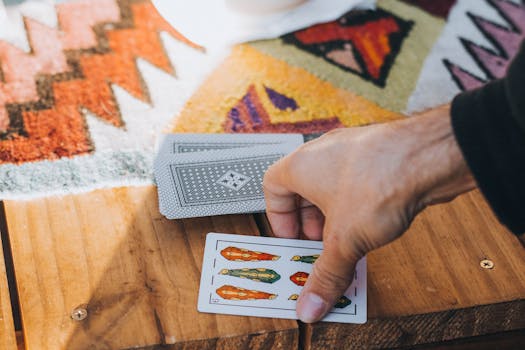
    How to design casino game prototypes that thrill players
    Photo by Malen Almonacid Trossi on Pexels

    How to plan your prototype for maximum impact

    1. Define the core loop identify the main actions players take and the payoff structure that follows.
    2. Choose a simple scope limit features to test the key mechanic and avoid feature creep.
    3. Set measurable goals decide what success looks like in your test session such as average session length or hit rate.
    4. Build a minimal viable experience include visuals sound and feedback that convey the intended feel without full polish.
    5. Gather rapid feedback observe player choices and note any friction in controls or rules.

    What to test in a prototype and how to measure it

    Testing should cover clarity of rules pace of play and perceived fairness. Track metrics like time to first win player satisfaction and engagement duration. Use a simple scoring rubric to rate clarity of instructions controls and reward satisfaction.

    How to design the user experience that keeps players engaged

    Engagement comes from a rhythm of anticipation action and reward. Use visual cues dynamic audio and immediate feedback to reinforce decisions. A strong prototype communicates progress through indicators such as streaks bonuses and level ups that players can chase.

    How to design casino game prototypes that thrill players
    Photo by Ron Lach on Pexels

    Vs three common prototype approaches

    Prototype TypeWhat to TestProsCons
    Paper and digital mockupsRules flow and UI layoutFast and inexpensiveLimited feel of real play
    Lo fidelity playableCore mechanics and pacingMore realisticLess polished visuals
    High fidelity prototypeFull experience and balanceGreat for investor pitchTime and cost intensive

    How to iterate quickly to boost thrill and clarity

    1. Run short playtests keep sessions under 20 minutes to capture clear signals.
    2. Change one variable at a time ensure you know what drives any shift in behavior.
    3. External observers ask players to vocalize thoughts while playing.
    4. Document decisions track reasons for changes to avoid backsliding.

    FAQ

    What is the purpose of a casino game prototype A prototype shows how the core mechanic feels and how players respond before full production.

    How long should a prototype run Short sessions of 5 to 15 minutes work well for fast feedback cycles.

    Which metrics matter most Clarity of rules engagement duration and perceived fairness are key.

    Conclusion

    Designing casino game prototypes that thrill players starts with a sharp plan and a clear core loop. Build a minimal viable experience and test with real gamblers to learn which mechanics spark excitement. Iterate quickly using focused tests and one change at a time, then refine pacing and rewards until the prototype consistently earns player smiles. If you want practical support turning ideas into compelling prototypes, start your next iteration today and share your results so we can help you sharpen the thrill.

  • How to build casino game levels that keep players coming back

    Introduction and the core challenge

    You want casino game levels that keep players coming back and so do the players themselves. The key is to design levels that feel fresh yet familiar. In this guide we explore practical steps to craft casino game levels that hook players and sustain long term engagement. You will learn how to structure progression, balance risk and reward, and create memorable moments that invite players to return again and again.

    What makes a level feel rewarding and replayable

    Casino game levels are layers of challenge and payoff. Levels are defined by clear goals, meaningful randomness, and smooth pacing. A well built level uses sense making rules and predictable outcomes that still allow surprise. Players keep coming back when each level offers a new twist while maintaining a familiar core loop.

    How to plan levels for maximum retention

    Start with a simple blueprint and grow complexity over time. Create a progression system that gradually increases difficulty or introduces new mechanics. Map out a sequence of levels that gradually expands rewards and unlocks. Build in optional side missions or bonus rounds to increase value without breaking balance.

    1. Define the core loop for your game a loop that repeats with small improvements each time
    2. Set clear level goals so players know what success looks like
    3. Introduce new visual themes audio cues and mechanics to keep novelty high
    4. Balance risk and reward with varied payoff curves to encourage experimentation
    5. Incorporate adaptive difficulty so players feel challenged but not overwhelmed

    How to balance difficulty and reward in casino game levels

    Balancing is the heart of replayability. Too easy and the game feels dull; too hard and players quit. Use tiered rewards to reward persistence and skill. Implement a soft increase in difficulty with milestones that unlock bonuses or power ups. Provide gentle guidance through hints or tutorials to reduce frustration while preserving challenge.

    What makes level design feel fair and engaging

    Fairness means players feel their choices matter. Use transparent odds and visible progress to build trust. Show players how choices affect outcomes in the short term and long term. A fair design reduces random frustration and increases the sense of agency.

    How to design memorable moments that players talk about

    Memorable moments are earned by crafting unique events that stand out. Think limited time modes hot streaks or cinematic payouts. Create signature level milestones that players can share as brag worthy achievements. Visual and audio cues help these moments land and be remembered.

    How to test and iterate your levels

    Testing is essential to find balance and flow. Use player telemetry to track drop off points and reward timing. Run frequent A B tests comparing different reward structures and pacing. Iterate quickly and keep notes on what works and what does not for each new level.

    FAQ and quick tips for building levels

    How often should new levels release A steady cadence keeps interest while allowing time to polish each level. A monthly or bi weekly release schedule works well for many casino games.

    What is the best reward structure A mix of immediate small rewards and larger end of level bonuses tends to work best. Use tiered rewards that scale with player effort.

    How do I keep players coming back Build a compelling progression minimal friction entry points and daily or weekly challenges that align with player goals.

    Conclusion and key takeaways

    To build casino game levels that keep players coming back focus on a clear core loop balanced progression and memorable moments. Plan levels with a gradual rise in difficulty offer meaningful rewards and ensure fair play. Test relentlessly and iterate based on real player feedback. If you want more ideas on level design and engagement strategies join our newsletter for fresh tips and examples you can apply today.